Tax Tips: What Business Owners Need to Know
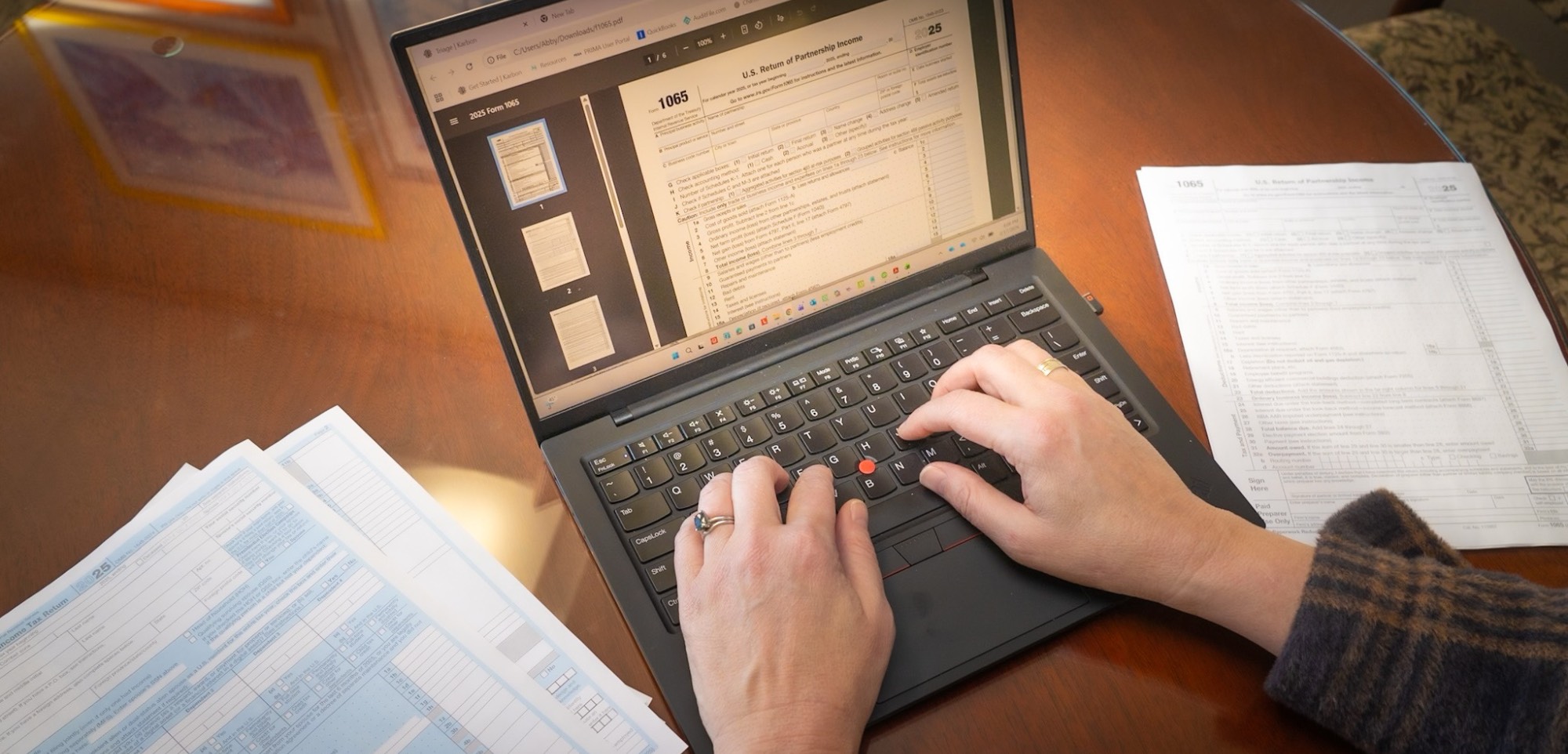
Tax season is upon us, and with that pesky April 15th deadline creeping closer (plus lots of new rules!), we asked two Downtown Edmonds tax pros to answer the questions that keep small business owners up at night.

Abby Bailey of Bailey CPA, LLC and Nancy Ekrem of DME CPA Group
Nancy Ekrem of DME CPA Group and Abby Bailey of Bailey CPA, LLC took time out of their literal tax season to share their expertise with these five tips. Keep reading to do right by your numbers.
Ed!: What are the most common tax mistakes you see small business owners make year after year, and what deductions do they consistently overlook?
Nancy: The biggest issue I see is business owners waiting until after year-end to collect their financial data. They’re not getting advice ahead of an anticipated transaction, they don’t have appropriate documents between owners, and they haven’t considered retirement plan options in time to make them work. Co-mingling business and personal activity is huge—choice of entity for tax purposes and improper treatment of benefits round out the list of recurring headaches.
Abby: The biggest issue I see is mixing personal and business finances and planning to “sort it out later.” You need to purchase something for the business on a credit card, but don’t have that card with you, or you need to pay cash for something. Later often means things get missed, and even if they don’t, it makes everything more complicated. Small transactions add up. I also see missed opportunities—like not being able to deduct health insurance premiums or make a retirement contribution because the accounts weren’t set up correctly or on time. Consistent tracking during the year makes a huge difference. It keeps deductions from slipping through the cracks and allows you to be intentional instead of scrambling at tax time.
Ed!: At what point should a small business owner stop doing their own taxes and hire a professional?
Nancy: Initial setup of your books is a great time to bring in help. When you can’t keep the books current, that’s a red flag—you don’t have the information to make good decisions in real time. Definitely get help ahead of an anticipated transaction like a sale, purchase, new partner, or expansion. When taxes aren’t your thing, when the rules change, or before the end of the year—these are all excellent times to reach out. Establishing a professional relationship enables the professional to know you and assist with structuring your finances to meet your goals.
Abby: Most business owners handle their own accounting at first—that’s completely normal. But at some point, it becomes less about “can you do it” and more about whether you should. When you could spend more time doing work you’re passionate about, serving clients, or growing revenue, it often makes more sense to hire help rather than pulling yourself away from what you enjoy most. Many owners find it’s more profitable (and far less stressful) to focus on what they love doing and let a professional handle the compliance side.
Ed!: Washington doesn’t have a state income tax, but we do have a business and occupation (B&O) tax, a sales tax, and a capital gains tax. What do small business owners need to know about managing these alongside their federal filings?
Nancy: Familiarize yourself with the tax category of your product or service to ensure accurate invoicing of your customers. Is your product or service subject to sales tax? Get help with that determination if you’re not sure. Be part of your industry business groups to help with industry-specific regulations. If you’re considering selling your business, incorporate the State Capital Gain rules into your plan. And be on time—late payment charges are expensive!
Abby: Washington doesn’t have a state income tax, but that doesn’t mean things are simple. Business owners still need to manage B&O tax (based on gross receipts), sales tax collection and reporting, state payroll taxes, and capital gains tax in certain situations. Each has different due dates and filing systems. The key is developing a routine—tracking the right information consistently and creating a system you follow every month or quarter. Once you build that rhythm, state compliance becomes much more manageable.
Ed!: What’s your best advice for small business owners on keeping their financial records organized throughout the year to make tax season less stressful?
Nancy: Reconcile your accounts monthly to make sure you’ve captured all your transactions. Keep business and personal activity separate—separate bank accounts and bank cards. Review transactions to confirm all were authorized and paid to legitimate vendors. Keep statements, invoices, and supporting documents organized. Compare and reconcile totals if you’re using different systems to invoice versus banking before filing B&O returns. And know your due dates.
Abby: Keep business and personal accounts separate. Use one bookkeeping system you’ll maintain (even if it’s just a check register), and save your receipts as you go. Check in on your numbers monthly. Most importantly, develop a system you can live with long-term. The goal isn’t perfection—it’s sustainability. A simple routine during the year makes tax season far less stressful.
Ed!: What’s the number one piece of tax advice you’d give to someone opening their first brick-and-mortar business in Downtown Edmonds this year?
Nancy: Know your customer. Create a realistic cash flow projection. Make sure you have enough financial resources to meet obligations during the startup phase, which is typically way slower than ideal. Understand the rules and regulations related to your industry. Know your community—engage in local organizations. And have fun!
Abby: Before opening my own firm, I spent over 15 years hearing clients talk about how overwhelming registrations, logins, and filings were. When I became a business owner myself, I truly understood. My biggest advice: keep a master calendar of every filing and payment deadline from day one. There are multiple agencies involved, each with its own schedule and access points. Writing everything down—and updating it as your business grows—removes a lot of stress and helps you stay ahead instead of playing catch-up.
Reduce Tax Stress for 2025 Filings—And Beyond
A big thank you to Nancy of DME CPA Group and Abby of Bailey CPA LLC for helping us navigate tax season. If you
By Whitney Popa, photos by Matt Hulbert; Nancy Ekrem photo courtesy of DME CPA